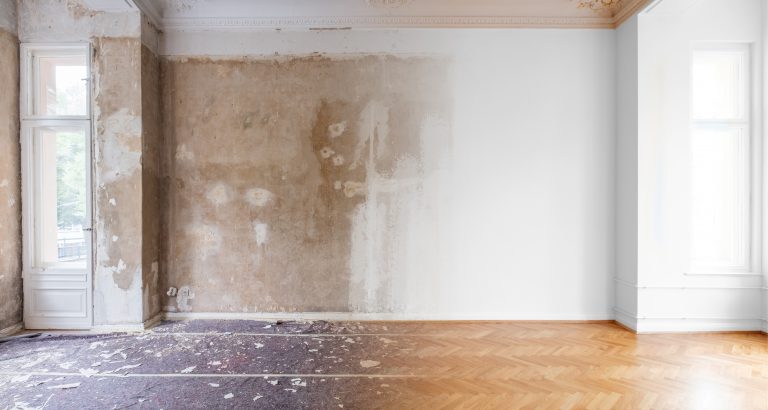
Remodeling an older home—especially in areas like Ann Arbor where many homes are 50 to 100+ years old—comes with a unique set of opportunities and challenges. The character, craftsmanship, and history are often what draw people in. But behind those walls, beneath those floors, and above those ceilings, there are often conditions that simply aren’t visible at the outset.
Understanding these realities upfront is one of the most important steps in setting a project up for success.
The Reality of What Lies Beneath the Surface
Older homes were built in a different era, often with different standards, materials, and methods than what we use today. Over time, they’ve also been modified—sometimes multiple times—by different owners, contractors, and trades.
It’s not uncommon for us to uncover:
- Framing inconsistencies
Walls that aren’t straight, floors that slope, ceilings that vary in height. In many cases, these homes were built before modern framing standards, or have settled over time. - Outdated or modified electrical systems
Knob-and-tube wiring, undersized panels, or a patchwork of additions that don’t align with current code requirements. - Aging or reworked plumbing systems
Galvanized piping, improper venting, or previous repairs that were done as short-term fixes rather than long-term solutions. - Hidden structural conditions
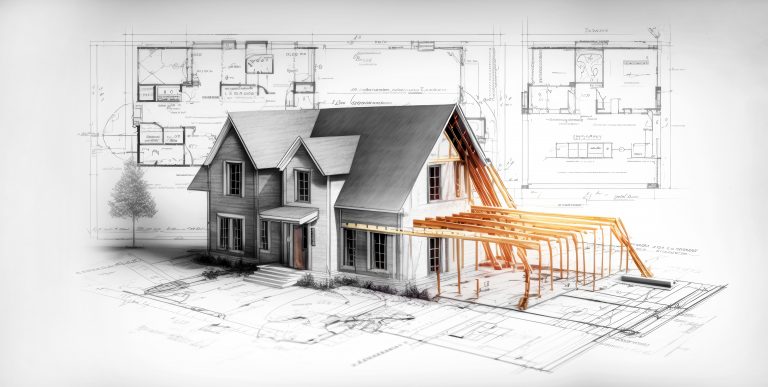
Altered load paths, undersized framing members, or previous renovations that didn’t fully account for structural implications.
None of these are necessarily “problems” in the traditional sense—but they are realities that need to be addressed as part of a thoughtful remodeling process.
Why These Conditions Don’t Show Up in Early Estimates
At the early stages of a project—before walls are opened and systems are exposed—much of this information is simply unknown.
Even with experience, site visits, and careful review, there are limits to what can be confirmed without invasive investigation.
This is why early budgets and preliminary estimates are often presented as ranges. They’re built on known conditions, reasonable assumptions, and historical data—but they also account for the fact that some variables won’t be fully understood until construction begins.
The Risk of Ignoring the Unknowns
One of the most common ways projects run into trouble is when these hidden conditions aren’t properly considered upfront.
This can lead to:
- Budget increases mid-project
- Delays due to rework or redesign
- Compromised quality when decisions are rushed in the field
- Frustration for both homeowners and contractors
In many cases, lower initial bids are achieved by minimizing or overlooking these risks—not because they don’t exist, but because they haven’t been fully accounted for.
How We Plan for the Unseen
At Corry Contracting, we approach older homes with the assumption that there will be unknowns—and we build our process around managing them.
This includes:
- Thorough discovery and site investigation
Taking the time to understand the home as it exists today, not just what’s shown on plans. - Trade partner involvement early in the process
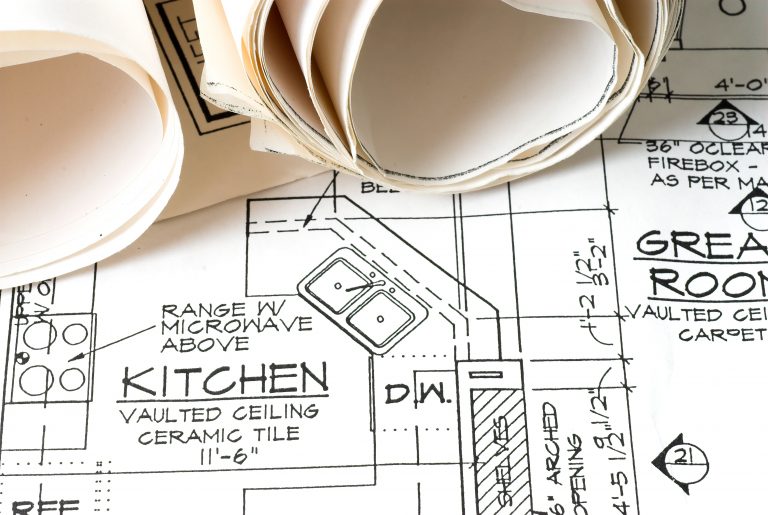
Bringing in licensed trades to provide input before construction begins, helping to identify potential issues and realistic costs. - Detailed specifications and documentation
Developing clear scopes of work so that expectations are defined before work starts. - Realistic budgeting and contingency planning
Allowing room in the budget for conditions that may arise, rather than reacting to them after the fact.
Setting the Right Expectations
Remodeling an older home isn’t about eliminating risk entirely—it’s about understanding it, planning for it, and managing it professionally.
When approached the right way, these projects can be incredibly rewarding. They allow you to preserve the character of an existing home while thoughtfully updating it to meet modern needs.
The key is going in with clear expectations and a process designed to handle what can’t be seen yet.
If you’re considering a remodel on an older home, we’re always happy to walk through the process, discuss potential considerations, and help you understand what to expect before getting started.